
360º Boating Safety Lesson Plans
Enhance your Stage 3 classroom with ready-to-use lesson plans that teach boating safety effectively and engagingly.
Designed to align with the NSW PDHPE curriculum, these six structured plans provide clear objectives, interactive activities, and practical resources to ensure your students develop essential knowledge and skills for safe boating practices
Read through each lesson plan and view / download the relevant lesson plans.
This resource supports the Boating Safety Education Program for schools, educational institutes, Scouts and Guides across NSW. To find out more about this program or to book a Boating Education Officer visit, click below.
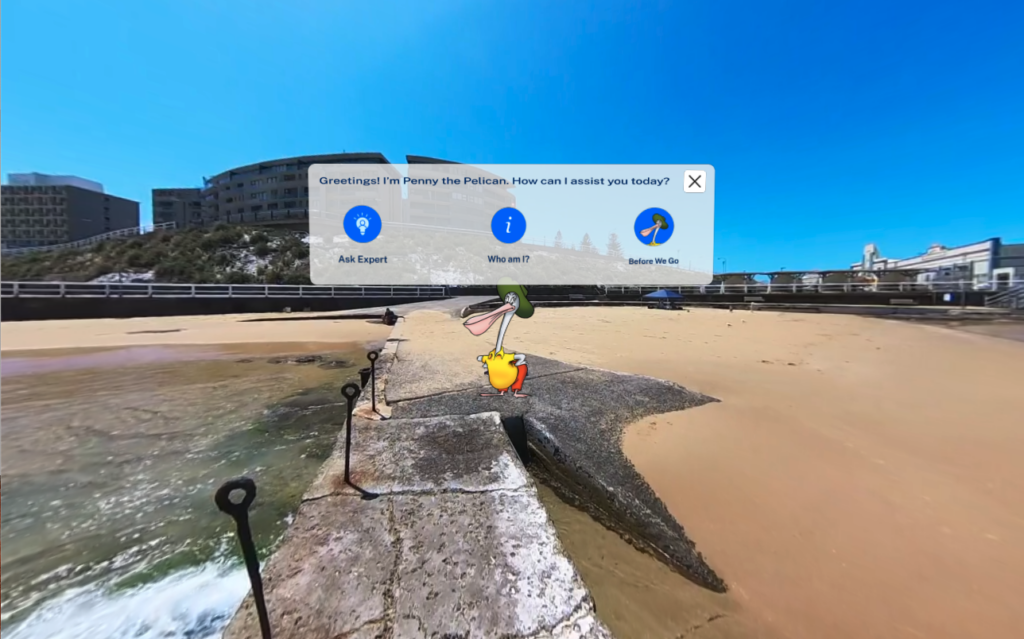
Before We Go: Lessons 1 & 2
Lesson 1: LIFE JACKETS & THEIR USES
Objective:
Students will learn about different types of life jackets, their appropriate users, and the safety regulations governing their use. They will also learn to identify and use resources such as weather forecasts and safety guidelines to ensure a safe boat launch.
Online Resource Reference:
This section refers to the Penny The Pelican – Before We Go – Check Life Jacket section of the 360º Boating Safety Project. Allow your students to explore the online resource content either as a class, teacher-led, individually on their own device or in smaller groups with a group device.
Activities:
1. Introduction to the Topic: Here you will discuss the importance of life jackets and their role in preventing drowning. As well as how different life jackets are designed for specific situations and users.
2. Scenario-Based Activity: After going through the Check Life Jacket section of the 360º Boating Safety Project with students, have your students answer the different life jacket scenario-based questions in the Student Worksheet in Lesson Plan 1 (download below).
3. Discussion Questions: Ask your students to answer, discuss and reflect on the 3 questions in the Student Worksheet.
4. Extension Activity: Have your students create a safety poster illustrating when and why different life jackets are used.
Lesson 2: Essential Boating Equipment
Objective:
Students will identify and understand the purpose of essential boating equipment to promote safety on the water. This lesson engages students in hands-on activities, encourages collaboration, and fosters an understanding of essential boating safety principles.
Online Resource Reference:
This section refers to the Penny The Pelican – Before We Go – Check Safety Equipment section of the 360º Boating Safety Project. Allow your students to explore the online resource content either as a class, teacher-led, individually on their own device or in smaller groups with a group device.
Activities:
1. Introduction to the Topic: Here you will discuss the importance of boating safety equipment and its role in ensuring a safe trip on the water.
2. Explore the Safety Equipment Resource: Guide students to the Check Safety Equipment section of the 360º Boating Safety Project and have them click on various safety gear items and read the descriptions. This activity can be done as a class, in smaller groups or individually.
3. Activity-Based Learning: Refer to the Student Worksheet in Lesson Plan 2 (download below) where students can complete the following activities:
Activity 1: Match the Equipment to the Scenario
– Refer to the Student Worksheet with different boating emergency scenarios and a list of safety equipment.
– Students must match the correct equipment to each situation by drawing lines to connect them.
Activity 2: Scenario Activity Cards
– Divide students into small groups (3-4 per group).
– Each group selects a scenario card describing a boating emergency.
– Groups determine which two pieces of safety equipment they would use to handle the situation.
On The Water: Lessons 3 & 4
Lesson 3: Safe Distance on the Water
Objective:
Students will learn how to maintain a safe distance from other vessels and obstacles while boating. They will develop awareness of potential hazards on the water and understand how skippers safely navigate these obstacles.
Online Resource Reference:
This section refers to the Danny the Dolphin – On the Water section of the 360º Boating Safety Project. Allow your students to explore the online resource content either as a class, teacher-led, individually on their own device or in smaller groups with a group device.
Activities:
1. Introduction to the Topic: Here you will discuss the importance of maintaining a safe distance from other vessels, swimmers, and natural obstacles when boating. As well as the different types of potential obstacles students might encounter when on the water, such as kayaks, swimmers, or other boats.
2. Discussion: Examine the content in the Danny the Dolphin – On the Water section of the 360º Boating Safety Project and discuss how to navigate waterways safely. Refer to the discussion guide in the Teacher Instructions part of Lesson Plan 3 (download below) and have your students complete the quiz.
3. Activity-Based Learning: Here you can conduct an outdoor obstacle course where students simulate boats navigating around hazards. Students can then reflect on strategies they used to identify obstacles and maintain a safe distance.
Lesson 4: Navigating Our Waterways
Objective:
Students will understand the basics of navigating waterways, such as recognising navigational aids and making safe decisions when encountering other vessels, obstacles, and personal watercraft such as jet skis. The lesson incorporates decision-making strategies that align with promoting safe and responsible navigation.
Online Resource Reference:
This section refers to the Danny the Dolphin – On the Water section of the 360º Boating Safety Project. Allow your students to explore the online resource content either as a class, teacher-led, individually on their own device or in smaller groups with a group device.
Activities:
1. Introduction to the Topic: Here you will discuss the importance of understanding navigational aids and maintaining safe distances on the water. As well as why we need rules on the water, similar to rules on the road.
2. Verbal Discussion Activity: Teachers can ask students to discuss potential challenges faced while navigating waterways. Refer to the Teacher Instructions in Lesson Plan 4 (download below) where there are example questions to get the discussion going.
3. Safe Navigation Multiple Choice Quiz: Refer to the Student Worksheet in Lesson Plan 4 (download below), where students will test their knowledge on safe navigation rules and decision-making when encountering different obstacles and vessels on the water.
RESPONSE TO DANGER: Lessons 5 & 6
Lesson 5: Water Safety Scenarios
Objective: Students will learn about safety on the water concepts.
Online Resource Reference:
This section refers to the Sammy the Shark – Response to Danger section of the 360º Boating Safety Project. Allow your students to explore the online resource content either as a class, teacher-led, individually on their own device or in smaller groups with a group device.
Activity:
1. Introduction to the Topic: Explain the importance of water safety and discuss examples what could lead to unsafe or dangerous situations on the water.
2. Discussion & Reflection: Refer to the Student Worksheet in Lesson Plan 5 (download below) and ask each student is to read each water safety scenario and use the word bank to fill in the blanks with the correct safety measures. Alternatively, you may conduct this activity as a verbal question-and-response session.
Lesson 6: Boating Terminology
Objective:
Students will familiarise themselves with essential boating vocabulary and their meanings, enabling them to better understand boating safety, navigation, and communication on the water.
Online Resource Reference:
This section refers to the Sammy the Shark – Response to Danger section of the 360º Boating Safety Project. Allow your students to explore the online resource content either as a class, teacher-led, individually on their own device or in smaller groups with a group device.
Activity:
1. Introduction to the Topic: Here you will discuss the importance of knowing boating terminology to communicate effectively and stay safe on the water.
2. Word Bank Activity: Refer to the Student Worksheet in Lesson Plan 6 (download below) and ask students to match the boating terms with their correct definitions. Discuss as a class how these terms are used in real-life boating situations.
3. Response to Danger Mini Quiz: Refer to the Student Worksheet in Lesson Plan 6 and have students complete the Response to Danger quiz.
4. Extension Activity: Consider inviting a Boating Education Officer (BEO) to demonstrate the terminology in action.